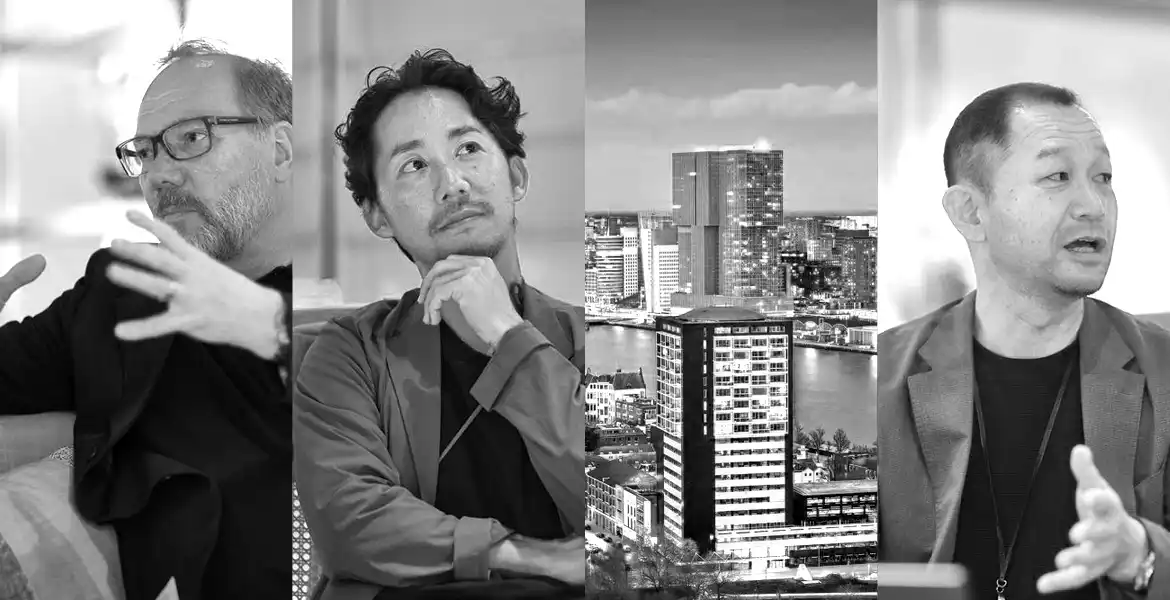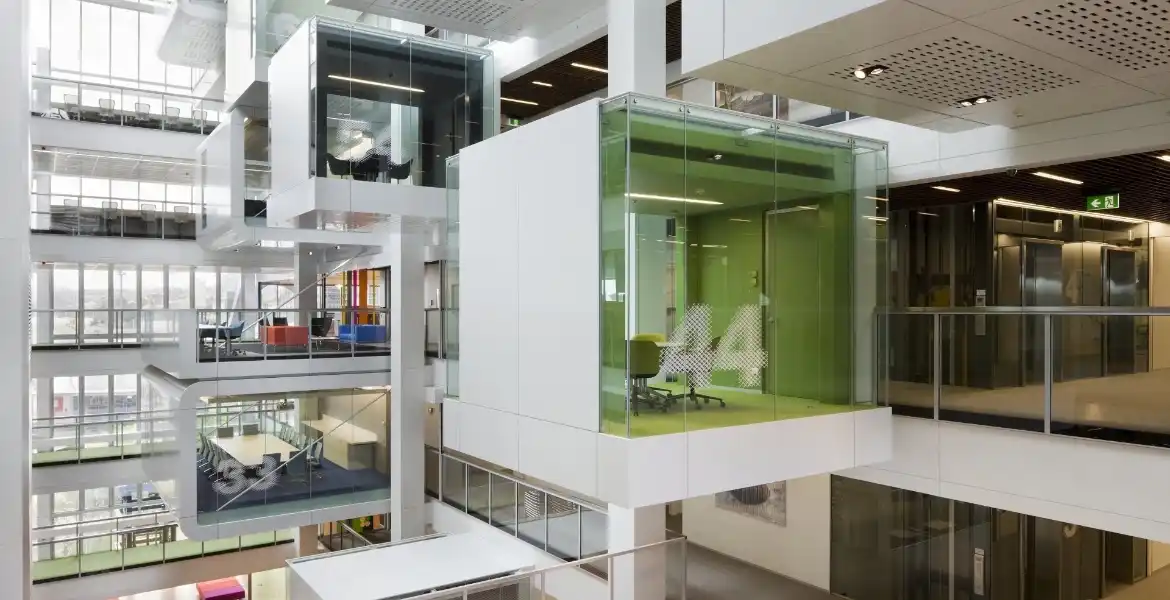
The opportunities to create business and social value from space has never been greater, with new technologies to integrate humans physically and virtually.

This collection of articles help decode the new paradigm of Spatial innovation.

Creating the Spatial Economy
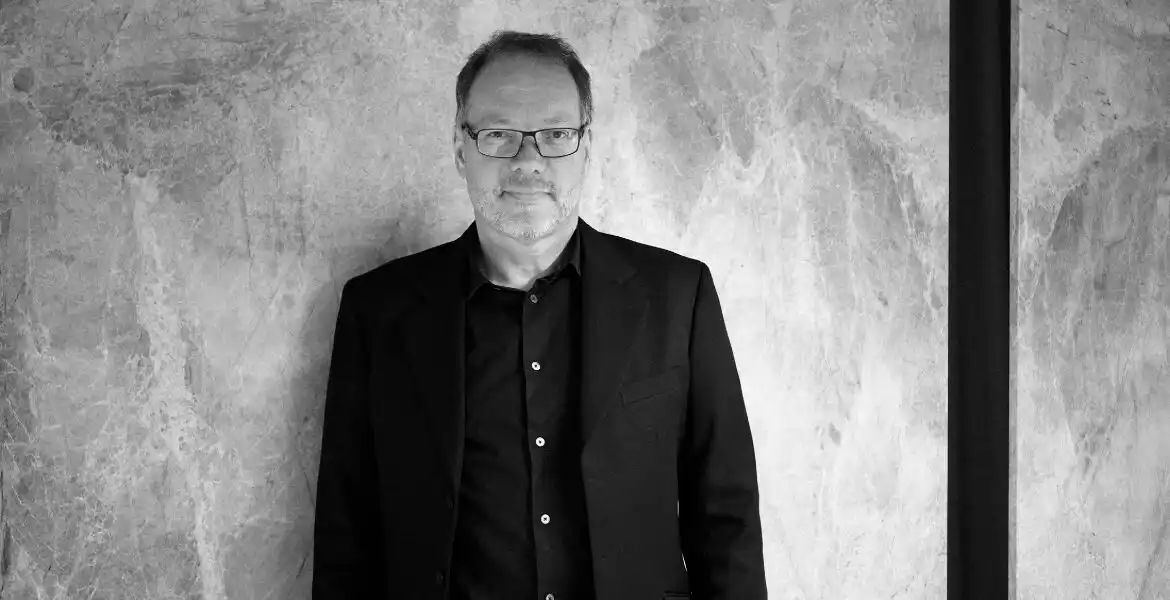
Portrait of Jame Calder
James Calder

James Calder is renowned as a maverick in the world of workplace design and now with his new practice, Placing, he is set to shake up the establishment and carve a new path forward in how and where we work.

“As a workplace innovator for three decades, I have never been more optimistic about the future of the workplace and the emerging and expanding role for designers.”

“The workplace evolves and is disrupted constantly, but the new change coming with the Spatial Web and AI is perhaps the biggest change humanity has seen. The current 2D Web is dominated by Big Tech but as we add 5G, sensors, and AI, we move into realm of human experience in the 3D world. In my view, it is highly unlikely that the old innovators will be the future innovators, and I hope that the people that understand this new realm and the endless possibilities best will be the next generation of architects, interior designers, anthropologists and behavioural scientists.”
Redefining Spaces

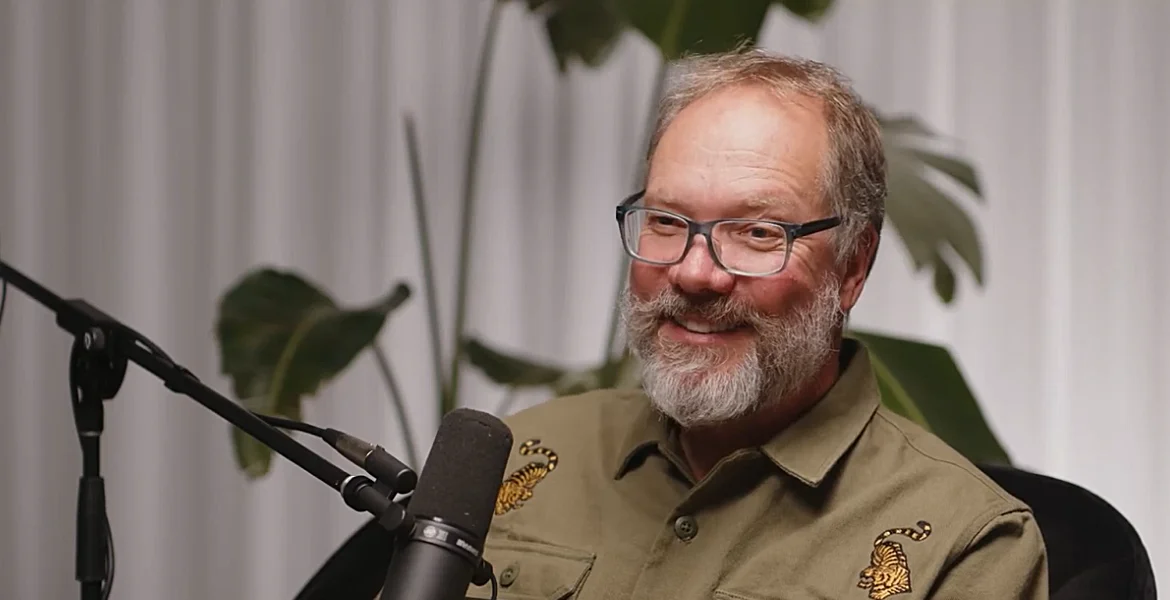
Image of James Calder being Interviewed
James Calder on the Mentor List Podcast

Delving deep into the transformation of office spaces and the dynamic evolution of cities, James shares his profound insights on how the pandemic has accelerated changes in how we interact with our working environments and urban landscapes.

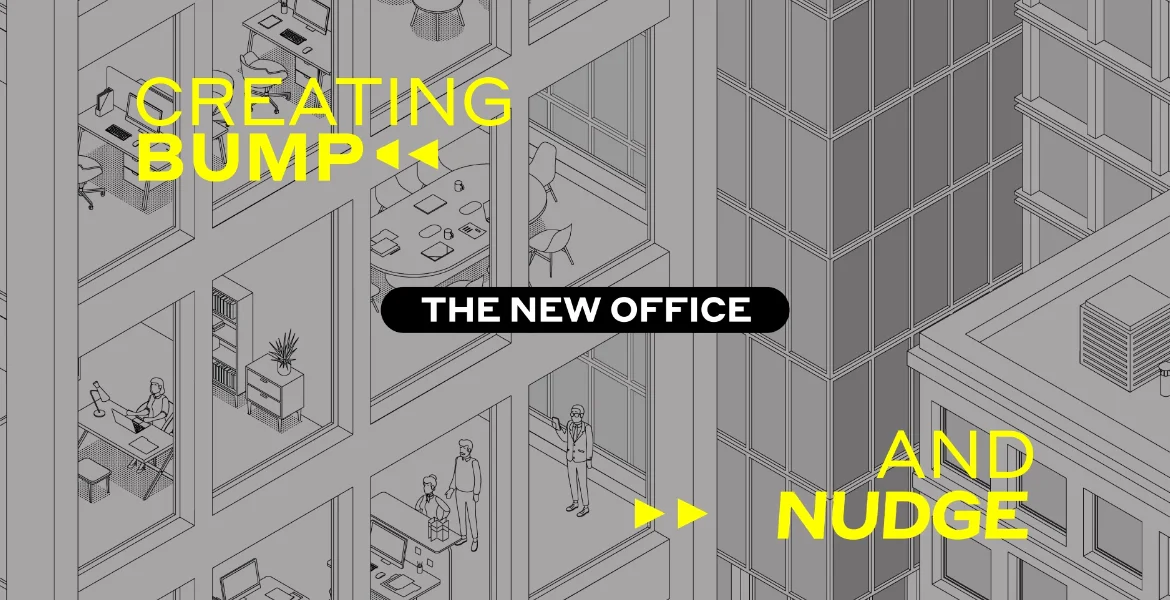
The New Office

“The merging of physical and virtual technologies, when carefully designed and created for human experience and enterprise, is on the cusp of creating the next generation of workplaces and office buildings.”

“Many of us now have increased flexibility and work from home or other places more than the main office. We no longer know precisely who will be in the office on any day, and many of our colleagues have only met each other virtually. The number of people in the office on any day of the week now varies widely. For new team members, particularly the introverts, it can be a daunting experience to be in the workplace as the virtual world is where the younger generations are often more native. Creating bump is no longer enough–the new office will also need to nudge.”

The Human First Workplace

Mitsui Design Tech Europe Inspection Report
What the office should aim for. A first-person place to work.
In the summer of 2024, Mitsui Design Tech visited Europe to learn examples of advanced offices and work styles.
Mr. Yamashita and Mr. Sakai, who are in charge of work style design at Mitsui Design Tech, and Mr. James Calder, CEO of Calder Consultants, a workplace strategy consultant that develops globally, mainly in Australia, and Mr. Rentaro Oku, CEO of Calder Consultants Japan, talked about the prospects of the office and work style in the future.

Legal Workplaces of the Future

James Calder discusses how shifting work styles and technology are changing the legal workplace. Calder is a workplace strategist and consultant and was a panel chair at the 2013 Design Speaks: Workplace/Worklife forum.

“Walk around a legal floor in New York, London or Sydney and you will experience the same phenomenon. It’s likely you’ll find rows of empty desks where legal secretaries and support staff used to sit, and an eerie quiet in the corridors. This has come about because of the changes in the skill set and make-up of the next generation of lawyers, and the corporate competitive pressures on fees around the world. The new lawyers do their own typing and have highly sophisticated precedent software to enable them to undertake the work themselves. The pressure on revenues and the desire to maintain legal salaries has meant that support staff numbers have dropped dramatically over the last few years, with ratios of lawyer to support staff easily reaching 1:5 and beyond in many firms as costs are reined in.”

Technology as a Driver

“We believe the future of work will be about community and reciprocity; the companies that are going to win the future of business will be the ones that are able to partner with organisations to achieve their goals. Fairfax is a good example of that. They’re coming out of the other side of the disruption and they’re much smaller now, but they also own 50 per cent of Stan with Channel 9 – they have a lot of strategic partnerships and alliances. And I believe that’s the future of business.”

Activity Based Workplace Design

As Global Director of User Strategy at the start-up ERA-co, James Calder is at the forefront of digital-age workplace strategy. With a background as an early pioneer of activity-based design, he applies his deep expertise in workstyles and organisational culture to drive innovative project delivery for clients worldwide.